
In a small village nestled in the heart of Assam, a tragedy has unfolded that has left a community reeling and a nation demanding justice. Lt. Rosemi Terangpi, just 12 years old, became the victim of an appalling crime. The All India Karbi Student’s Union (AIKSU) is now spearheading a campaign for swift justice and preventive measures in the wake of this heinous act.

The harrowing incident occurred on January 26th, 2024, when young Rosemi, a dedicated student at Malasi M.E. School, was en route back to her studies after spending the holiday season with her family. Tragedy struck when her two-wheeler suffered a breakdown, leading her to accept a ride from Mr. Dilip Rongphar, who was heading towards Dolamara, the same direction as Rosemi. This ride, however, would lead to a catastrophic outcome, as Rosemi never arrived at her destination.
 When Rosemi did not return home, her worried family members filed a missing person’s report, prompting a widespread search by local police and villagers. The search came to a devastating conclusion when Rosemi’s lifeless body was found near a waterfall on January 30th. A post-mortem examination confirmed that she had been sexually assaulted before her murder. Dilip Rongphar was quickly identified and apprehended as the primary suspect.
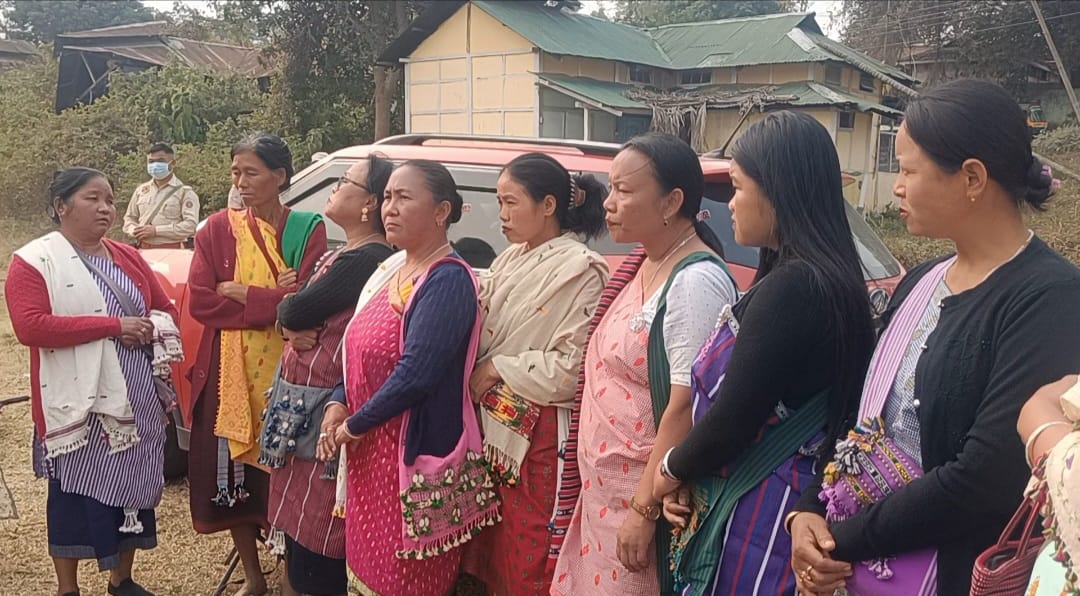
The AIKSU, an influential student body, has vocally condemned this vile act, labeling it a blight upon their community. They have called for the “severest punishment” to be meted out to the perpetrator, advocating for capital punishment as a deterrent against such monstrous crimes. The union has also turned a critical eye towards systemic issues that may have contributed to this tragedy.
They have pointed out the stark lack of educational facilities, proper transportation, and communication infrastructure in remote areas like Rosemi’s village, arguing that these shortcomings increase the vulnerability of students, especially girls. In response to these challenges, the AIKSU has taken a firm stand, presenting a series of demands to the Karbi Anglong Autonomous Council (KAAC).
Their six-point demand to KAAC includes the construction of secure boarding houses near schools to reduce the risk for students who travel long distances. They call for the establishment of a 1-10 institution in the Borpung area to minimize travel for students. Improvement of road and communication infrastructure is also on their list, as is the deployment of police patrol posts at strategic locations. Additionally, the AIKSU insists on compensation for the victim’s family and collaboration with student organizations and NGOs to address grievances in neglected areas.
The AIKSU’s demands are not just about seeking retribution for Rosemi; they are a cry for systemic change to ensure the safety of all students. Their hope is that by meeting these demands, future tragedies can be prevented and students, particularly girls in remote areas, can pursue their education without fear.
As the AIKSU continues to fight for justice for Rosemi, their actions have sparked a broader conversation about safety, infrastructure, and the rights of children in remote parts of India. The community of Dolamara, along with the entire nation, watches and waits for justice to be served and for concrete steps to be taken to safeguard the innocent and the vulnerable.
The case of Lt. Rosemi Terangpi is a stark reminder of the perils that lurk in the shadows of societal neglect. It is a call to action, a plea for justice, and a demand for change that resonates far beyond the borders of Assam. The AIKSU’s fervent advocacy reflects the sentiment of a community united in grief and a society striving for progress.
As the legal proceedings against Mr. Rongphar commence, the eyes of many will remain fixed on the outcome, hoping for a verdict that will not only bring solace to Rosemi’s family but also signal a turning point in the protection of children and the fight against sexual violence in India.