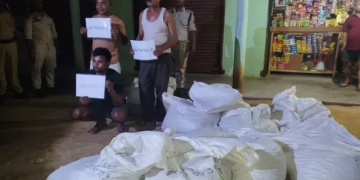
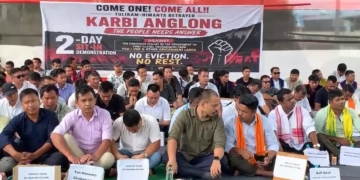
The atmosphere in West Karbi Anglong’s Kheroni area has turned highly volatile following the detention of protesters who had been on an indefinite hunger strike overnight at Kheroni’s phelangpi. The police action of forcibly taking the protesters into custody has sparked widespread anger, with villagers accusing the authorities of treating the demonstrators like extremists. In response, thousands of locals staged road blockades, demanding the immediate release of the detained protesters.

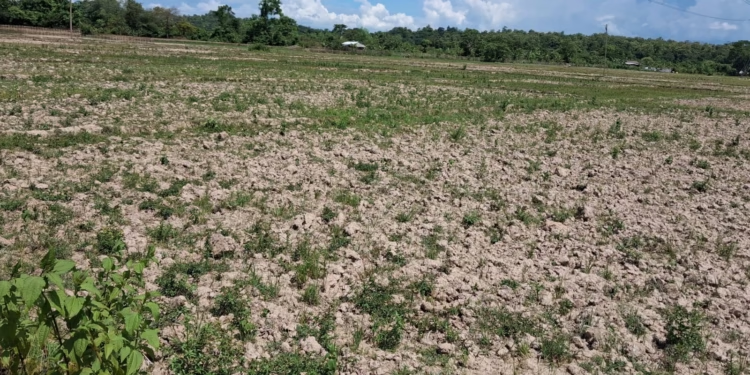
The unrest marks a significant escalation in protests that have been simmering for over two weeks, rooted in deep-seated ethnic and territorial disputes. Since February, the indigenous Karbi community has been protesting against the encroachment and perceived aggression of non-Karbi groups into Karbi ancestral lands. Despite repeated announcements from administrative heads about impending eviction drives, no concrete action had been taken, fueling resentment and impatient demands for urgent resolution.
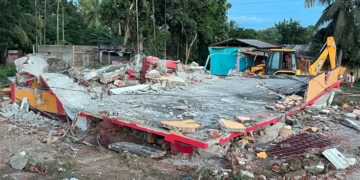
On Monday, the simmering tension exploded into open confrontation. Following the police’s arrest of protesters engaged in the hunger strike, public outrage intensified sharply. Demonstrators, embodying a fierce spirit of defiance, set fire to the old residence of Tuliram Ronghang, a prominent local figure associated with the conflict. The police’s attempt to quell the violence escalated further when they resorted to firing shots to regain control, resulting in injuries to at least three individuals.
The present situation remains tense, with ongoing clashes between law enforcement and protestors leading to further injuries and heightened fears of sustained violence. The disturbances have severely disrupted normal life, with significant economic and social repercussions anticipated if the crisis prolongs.
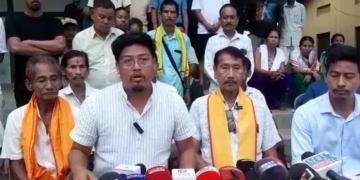
Adding complexity to the situation, Tuliram Ronghang, in a statement issued Monday morning, denied that protesters had been arrested, clarifying that those detained were sent to Guwahati for advanced medical treatment. Despite this, accusations have surfaced claiming Ronghang and the state’s chief minister have neglected to engage meaningfully with the protestors’ longstanding demands.
For 15 days, protestors have urged dialogue at the highest levels of government, calling for discussions involving both Ronghang and the chief minister, aiming for a peaceful resolution respecting Karbi rights and land protections. Their demands highlight critical issues of governance, ethnic identity, and land sovereignty that have far-reaching implications in the Northeast region.
As the situation unfolds, the administration faces increasing pressure to adopt a sensitive and proactive approach. Observers emphasize the need for transparent communication and expedited negotiations to prevent further polarization and restore peace, underscoring the broader challenges of managing ethnic conflicts within India’s diverse social fabric.
This crisis in West Karbi Anglong offers a stark reminder of the fragile balance required to maintain harmony in multi-ethnic regions and the potential consequences when dialogue and timely action are absent.