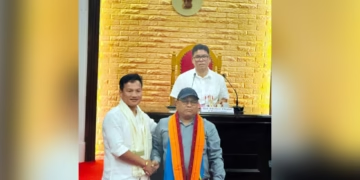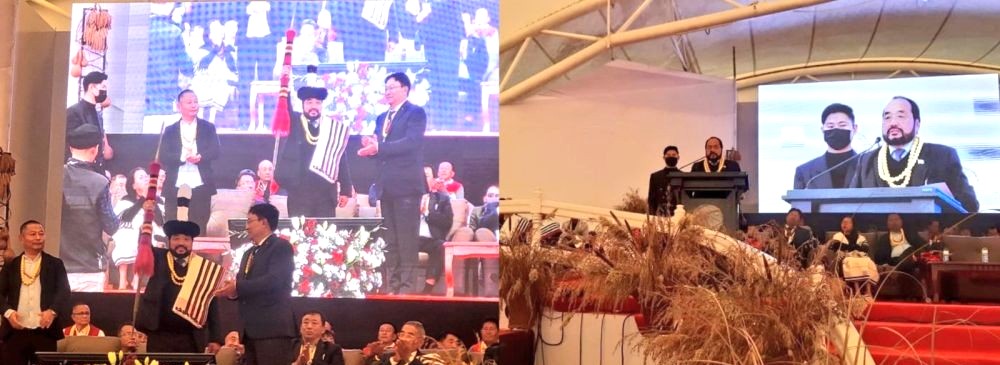

Nagaland’s Deputy Chief Minister, Yanthungo Patton, highlighted the fragmentation of the Naga political movement, which has splintered into around 28 factions, creating challenges for the community in pursuing sustainable initiatives. Speaking at the 175th anniversary of Lhisemia Kethinuokelie in Kohima, Patton noted that during the early days under leader A.Z. Phizo, the Naga movement was unified and respected, free from illegal taxation and extortion.
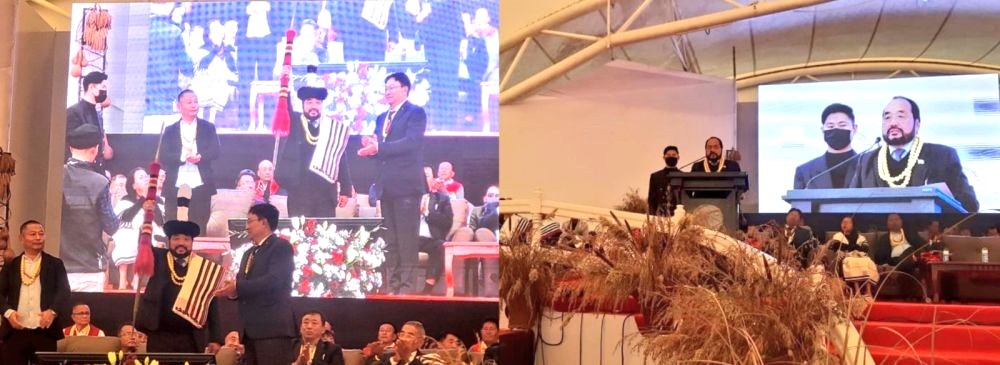
Patton emphasized that current divisions hinder the Naga society’s progress. While Prime Minister Narendra Modi offers a unified solution to the Naga issue, unity among factions is crucial. The central government’s approach aims for a single resolution encompassing the entire Naga society rather than addressing factions individually.
Highlighting the critical juncture faced by the Nagas, Patton urged for unity among both the overground and underground factions. Under Chief Minister Neiphiu Rio, Nagaland’s opposition-less government unites 60 MLAs, crossing party lines to work towards a permanent resolution of the Naga political issue. The Deputy Chief Minister clarified support for factions genuinely negotiating with the Central government but criticized those involved in extortion or self-serving agendas.
Promoting peace and unity irrespective of tribe or region, Patton called on Nagas to teach their children about cultural heritage to foster understanding and a cohesive society. Kohima’s residents, he noted, could play a pivotal role in promoting community cohesion and supporting government efforts.
The Union government has been engaged in talks with the NSCN-IM since the 1997 ceasefire agreement, progressing with the 2015 Framework Agreement. Parallel negotiations with the Working Committee of Naga National Political Groups began in 2017 with the signing of the Agreed Position. Despite progress, the NSCN-IM maintains demands for a separate flag, constitution, and the integration of Naga-inhabited areas across northeastern states and Myanmar.